

1. On-Chain Mechanics: Why Was Your Wallet Blocked?
The Tether (USDT) stablecoin is a centralized asset. Built directly into its token smart contracts is the Added to Blacklist function. This means the issuer, Tether Limited, possesses the technical capability to hardware-freeze fund movements on any address at its sole discretion.
Landing on this list is never a random glitch. It is the result of strict AML (Anti-Money Laundering) algorithm triggers or a direct mandate from law enforcement agencies. For example, direct interaction with addresses listed on the OFAC SDN List constitutes a critical violation that instantly maximizes your wallet's Risk Score.
Practical Case: What On-Chain Freezing Looks Like
To understand the severity of the situation, observe how the blocking protocol functions in practice. Below are excerpts from the Tronscan block explorer documenting a recent process that froze over 212 million USDT with a single call.
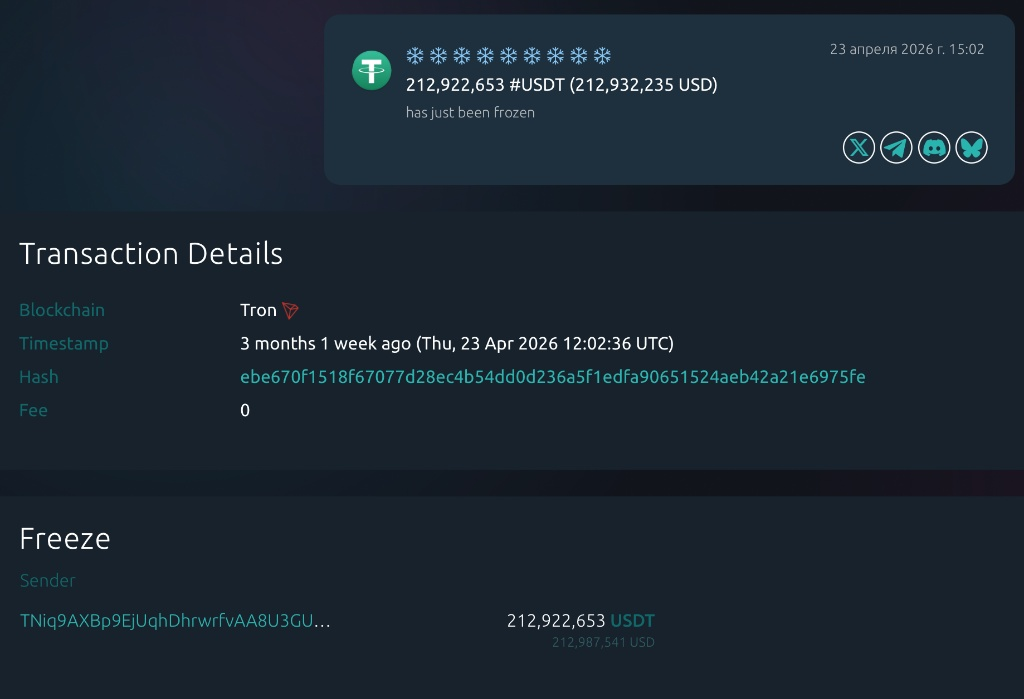
Fig. 1. Initiation: Invoking the Tether: MultisigWallet smart contract. The use of multi-signature authorization guarantees that sanction decisions are enacted by authorized corporate compliance officers in a decentralized manner.
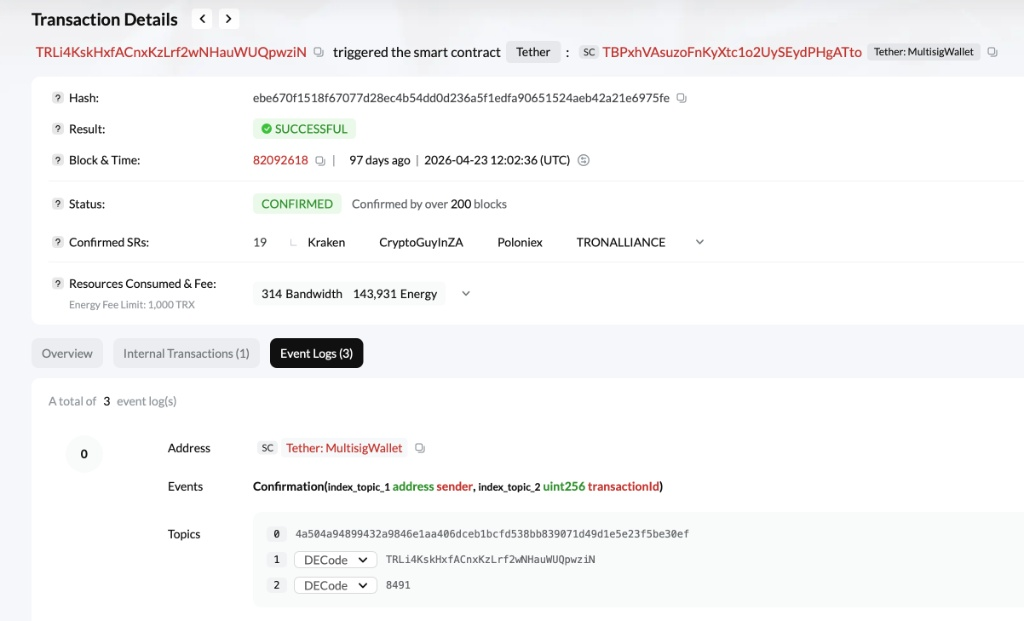
Fig. 2. Execution: The actual freezing of 212,922,653 USDT. The transaction is permanently etched into the blockchain, hardware-disabling the owner's ability to transfer the asset.
As blockchain analytics specialists at Chainalysis explain in their KYT documentation:
2. Why P2P Trading is the Primary Source of Risk
Many users are puzzled as to why their completely transparent account was blocked. Most often, the problem lies in P2P transfers. You might have sold legal cryptocurrency but received USDT that participated in a fraudulent scheme or theft several steps prior.
Institutional compliance tracks transaction chains multiple levels deep. This is why a superficial AML wallet check using free bots provides no safety guarantees. Bots only see the first step, while Tether's algorithms conduct a deep, multi-hop audit.
3. Stress-Induced Mistakes vs. Professional Strategy
When facing a frozen account, remember that every unconsidered action is recorded on-chain, exacerbating the problem. Let us compare how unprepared users react versus how experienced institutional investors proceed.
- Spamming the Network: Dozens of failed transfer attempts.
- Deleting Chats: Clearing correspondence with OTC counterparties out of fear.
- Seeking "Fixers": Purchasing Telegram services promising to unblock (which is always a scam).
- Complete Freeze: Immediate cessation of all interaction attempts.
- Log Archiving: Screenshots of balances and full chat exports.
- Legal Counsel: Escalating the case to compliance experts to draft a defense strategy.
The Illusion of a "Technical Hack"
It is technically impossible to unfreeze a Tether smart contract from the outside. Handing over private keys or signing third-party transactions via DApp browsers is voluntarily surrendering your wallet access to scammers.
4. Checklist: Risks and Proper Responses
| Action in the First 24 Hours | Compliance Algorithm Reaction | Recommended Action |
|---|---|---|
| Attempting exchange withdrawal from a frozen wallet | Risk score spikes to 100%. | Cease all transfer broadcast attempts immediately. |
| Deleting P2P broker correspondence | Inability to prove economic substance. | Produce notarized screenshots and full chat exports. |
| Contacting standard support | Receiving automated template responses. | Prepare an official petition through a specialized legal firm. |
5. The Professional Unfreezing Protocol
Restoring access to assets is not a technical hack, but a strictly legal negotiation procedure. To lift a freeze, the compliance department requires rock-solid proof of your legitimacy. As recent international practice shows (particularly the stringent compliance audits seen in the FTX bankruptcy precedent), the inability to legally prove the origin of funds leads to a permanent loss of capital.
Are Assets Over $100k Frozen?
Amateur attempts to negotiate with corporate compliance lead to permanent capital loss. Entrust the process to specialized legal professionals.

